
|
|

|
|

|
|



4. Malnutrition-Linked Diabetes Gets a Name: Introducing Type 5
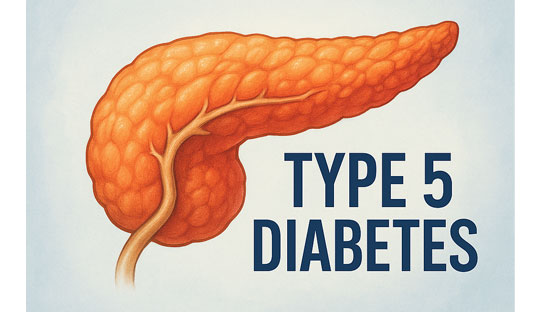
A long-overlooked form of diabetes has finally been recognized on the global stage. On April 8, 2025, during the World Diabetes Congress in Bangkok, the International Diabetes Federation (IDF) voted to formally acknowledge malnutrition-related diabetes as a distinct category: Type 5 Diabetes.
This historic classification marks a major step toward better awareness, diagnosis, and treatment of a disease that has disproportionately affected the world’s poorest populations for decades—without proper recognition.
What Is Type 5 Diabetes?
Originally described in Jamaica in 1955, malnutrition-related diabetes is typically found in young men in low- and middle-income countries (LMICs) with a BMI under 19. These individuals often present with:
- High blood sugar
- High insulin requirements
- Absence of ketosis or ketonuria, despite appearing like type 1 diabetes
They are often misdiagnosed as having type 1 diabetes, but they don’t develop ketonuria or ketosis despite high blood glucose levels and high insulin requirements.
Why the Recognition Matters?
Dr. Meredith Hawkins, a key advocate and researcher from Albert Einstein College of Medicine, has led efforts to elevate awareness through research and education. Her work through the Global Diabetes Institute has confirmed that individuals with Type 5 diabetes:
- Have profound insulin secretion defects
- Show low insulin resistance, contrary to previous assumptions
- Exhibit significantly lower fat stores, including visceral fat and liver fat, than those with type 2 diabetes
These findings challenge earlier views that linked the condition primarily to insulin resistance due to malnutrition.
What Happens Next?
- A working group has been formed to create formal diagnostic and treatment guidelines for Type 5 diabetes over the next two years.
- Early data suggest treatment may involve low doses of insulin combined with oral agents, and nutritional therapy with higher protein, lower carbohydrates, and targeted micronutrients.
- There’s now a global mandate to better understand and address this condition—long seen in LMICs but absent from Western medical literature.
What to Know?
- Type 5 Diabetes is not type 1 or type 2.
- It’s caused by malnutrition and impaired insulin secretion, not resistance.
- Recognizing it can prevent deadly misdiagnosis.
- It highlights the need for inclusive global health research, especially from the Global South.
For enquiries info@jothydev.net.
Please visit: jothydev.net | research.jothydev.com | diabscreenkerala.net | jothydev.com/newsletter