
|

|

|
|

|
|



5. Who Can Fast and Who Should Avoid Fasting During Ramadan?
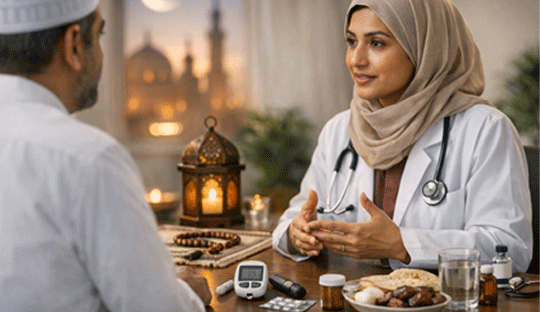
In Islam, fasting during Ramadan is obligatory for healthy adults, but those with serious illness are exempt and may engage in alternative acts like feeding the poor or making up fasts later when able. Medical experts and international guidelines (such as those from the International Diabetes Federation, Diabetes & Ramadan group) categorise people with diabetes into three risk groups to help decide who can safely fast and who should not.
- Can Fast with Caution
- People with well-controlled Type 2 diabetes
- Stable blood sugar with minimal medication
- No recent episodes of dangerously low (hypoglycaemia) or high blood sugar
- Good ability to monitor glucose at home
- Those on medications with low risk of hypoglycaemia (e.g., metformin, gliptins, GLP-1 based drugs)
- Individuals who can adjust medication timing and monitor glucose frequently
- People with good hydration, balanced meals at Suhoor (pre-dawn) and Iftar (sunset), and regular check-ups
- Individuals without complicating conditions (no kidney, heart, or other severe illnesses)
- Should Not Fast (High Risk / Very High Risk)
These individuals may consider fasting after careful medical assessment and preparation:
Moderate to Low-Risk Patients
Gems Takeaway: Everyone considering fasting should consult a healthcare provider well before Ramadan to plan medications, meals, and glucose monitoring.
These groups are medically discouraged or strongly advised not to fast, as fasting may seriously harm their health:
Very High Risk : Should Not Fast
- Type 1 diabetes with poor control or history of severe blood sugar swings
- People with hypoglycaemia unawareness (can’t tell when blood sugar drops)
- History of severe hyperglycaemia, ketoacidosis, or hospitalization
- Chronic complications (kidney disease, heart disease, advanced diabetes complications)
- Elderly patients with additional health issues
- People who have recently had a severe illnessExample: Anyone whose recent glucose measurements show dangerously high or low values should not fast.
High Risk : Fasting Not Recommended
- Type 2 diabetes but poorly controlled
- People on multiple medications with significant risk of hypoglycaemia
- Anyone who struggles to adjust eating and medicine timing, these individuals are advised to avoid fasting until their condition is stabilized.
Medical & Practical Considerations
Even for those who can fast, there are important safeguards:
- Monitor blood glucose regularly; it does not break the fast and can prevent emergencies.
- • Break the fast immediately if:
- Blood glucose drops below safe levels
- Symptoms of dehydration, dizziness, confusion occur
- Blood glucose goes too high (>300 mg/dL); consult your doctor.
- Hydrate well between Iftar and Suhoor.
- Avoid heavy sugary and fried foods at Iftar, which may spike sugar levels.
Faith & Health Together
Islamic teachings themselves recognise that people with serious illness are exempt from fasting and emphasise preservation of health.
Balance is key:
- Fasting may be possible with stable health and preparation
- It is not required nor is it healthy to fast at the cost of your well-being
- In cases of genuine medical risk, breaking the fasting obligation is allowed and wise.
For enquiries info@jothydev.net.
Please visit: jothydev.net | research.jothydev.com | diabscreenkerala.net | jothydev.com/newsletter