
|

|

|
|

|
|



5. Can a Common Nutrient Help Fight Diabetes at the Cellular Level?
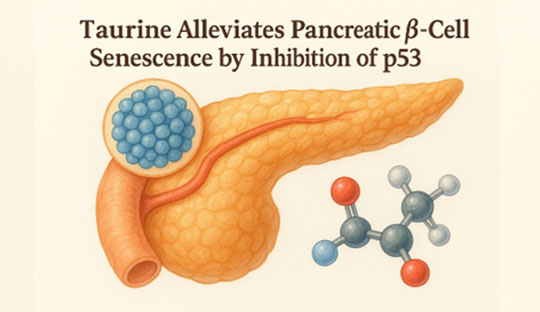
A ground-breaking study published in The Journal of Diabetes (June 2025), reveals a fascinating role for taurine, a conditionally essential amino acid, in protecting the pancreatic β-cells—the body’s natural insulin factories. Researchers found that taurine can delay or reverse cellular aging (senescence) in β-cells by targeting and suppressing the p53 signaling pathway, a key regulator of cell cycle arrest and aging. The study explores how taurine targets a key aging pathway inside our pancreatic β-cells, offering fresh hope in the fight against diabetes.
What Are β-Cells—and Why Do They “Age”?
Pancreatic β-cells are specialized cells responsible for producing insulin, the hormone that helps control blood sugar levels. In people with diabetes, especially type 2 diabetes, these cells gradually become dysfunctional or “senescent”—a kind of biological aging that makes them sluggish, unresponsive, or even inactive. This cellular aging significantly contributes to worsening blood sugar levels over time.
The Taurine BreakthroughIn this study, scientists looked at taurine, a compound naturally present in meat, fish, dairy, and energy drinks. Taurine is already known for its antioxidant and anti-inflammatory effects, but now it seems to directly protect β-cells from aging.
How? By blocking the p53 pathway, a molecular “aging switch” that tells cells to slow down or stop dividing when they're under stress. Inhibiting this pathway helped keep the β-cells young, active, and capable of producing insulin.
What This Means for People with Diabetes
The study doesn’t claim taurine is a cure—but it opens a promising new direction in diabetes care. If scientists can slow down β-cell aging, we may be able to extend the life and function of insulin-producing cells, particularly in early stages of diabetes. This could delay insulin dependence and improve long-term outcomes.
Researchers are now working on how taurine could be used in therapies—either as a supplement or in combination with existing diabetes treatments. Clinical trials in humans would be the next big step.
Should You Start Taking Taurine?
Taurine is generally safe in moderate amounts and is naturally found in:
- Seafood and meat
- Dairy products
- Some energy drinks (though be cautious with these due to sugar and caffeine content)
But before starting any supplements, especially in high doses, always consult your healthcare provider.
GEMS Takeaway
This groundbreaking study shows that taurine, a simple nutrient, may help our insulin-producing cells stay younger and stronger by targeting aging at the molecular level. It’s a reminder that nutrition and science together can open doors to innovative approaches in diabetes management.
For enquiries info@jothydev.net.
Please visit: jothydev.net | research.jothydev.com | diabscreenkerala.net | jothydev.com/newsletter