
|

|

|
|

|
|



1. Microplastics and Metabolic Health: New Insights into Pancreatic Dysfunction and Early Insulin Resistance
Background:
Microplastics; minute plastic particles less than 5 mm in size are now pervasive in food, water, and even air. Once dismissed
as environmentally inert, growing evidence suggests that these particles can enter biological systems, accumulate in tissues,
and potentially interfere with cellular and metabolic functions. While most research has focused on gastrointestinal and reproductive
toxicity, emerging data indicate that microplastics may also affect endocrine and metabolic pathways, including those governing
insulin production and glucose regulation.
Study Overview: A recent publication in Scientific Reports (Mierzejewski et al., 2025) provides compelling experimental evidence linking polyethylene terephthalate (PET) microplastic ingestion to early metabolic disturbances in the pancreas, posing disturbances in regulating glucose homeostasis. The study involved young female pigs (immature gilts), which are physiologically close to humans in terms of digestive and metabolic function. Over four weeks, animals were administered either 0.1 g/day or 1 g/day of PET microplastics mixed with feed. At the end of the exposure period, researchers conducted comprehensive untargeted metabolomic profiling of pancreatic tissue, along with systemic biochemical and hormonal assessments.
Key Findings:
-
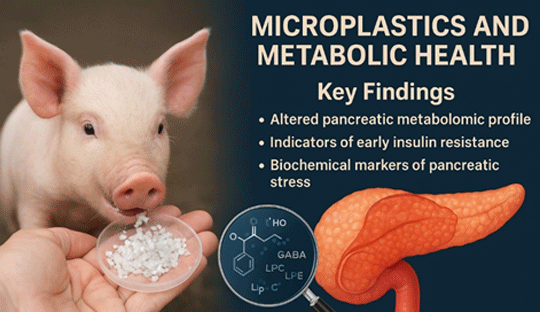
Altered Pancreatic Metabolomic Profile:
- PET exposure caused marked changes in the pancreatic metabolome, including elevated levels of glucose, γ-aminobutyric acid (GABA), and lipid intermediates such as lysophosphatidylcholine (LPC) and lysophosphatidylethanolamine (LPE).
- These metabolites are involved in insulin signaling, lipid metabolism, and β-cell function, suggesting disturbance of normal metabolic homeostasis.
-
Evidence of Early Insulin Resistance:
- Pigs exposed to PET microplastics exhibited increased serum insulin concentrations and a decreased insulin sensitivity index (QUICKI), both indicative of reduced insulin sensitivity.
- The metabolic pattern resembles the early stages of type 2 diabetes, where hyperinsulinemia compensates for emerging insulin resistance.
-
Biochemical Markers of Pancreatic Stress:
- Elevated pancreatic lipase activity and altered serum cholesterol and calcium levels were observed.
- These findings point toward subclinical pancreatic stress that could precede functional impairment.
-
Dose-Responsive but Subtle Effects:
- Even the low-dose group (0.1 g/day) showed measurable alterations, suggesting that biologically relevant microplastic exposure levels—potentially comparable to those in humans may have subtle yet significant metabolic consequences.
Interpretation and Implications: This study provides one of the first experimental indications that ingested microplastics can directly impact pancreatic metabolism. The metabolic shifts observed particularly increased tissue glucose and insulin levels suggest a cascade leading toward β-cell stress and insulin resistance, two pivotal processes in type 2 diabetes pathophysiology. While human evidence is still lacking, these findings highlight a critical need to consider environmental exposures as nontraditional risk factors in the global rise of diabetes and metabolic disorders. Microplastics may act as metabolic disruptors, potentially influencing cellular signaling, oxidative stress, or inflammation within pancreatic tissue. The exact mechanisms remain to be elucidated but may involve interference with membrane integrity, mitochondrial function, or lipid signaling pathways.
Clinical and Public Health Relevance: For clinicians and researchers, this emerging field emphasizes that the roots of metabolic disease may extend beyond diet and lifestyle into environmental and ecological determinants of health. If similar effects are confirmed in humans, reducing environmental microplastic exposure could become an unexpected but important target for metabolic disease prevention.
GEMS Takeaway: This pioneering study transforms our understanding of microplastic exposure from an environmental concern to a potential endocrine and metabolic disruptor. As the global diabetes epidemic continues to grow, such findings underscore the importance of addressing both traditional and environmental drivers of disease. Future research exploring long-term, low-dose human exposure and molecular mechanisms will be key to clarifying this intriguing link between pollution and pancreatic dysfunction.
For enquiries info@jothydev.net.
Please visit: jothydev.net | research.jothydev.com | diabscreenkerala.net | jothydev.com/newsletter