
|

|

|
|

|
|



1. Heat & Wildfire Smoke: Emerging Concerns for Pregnancy
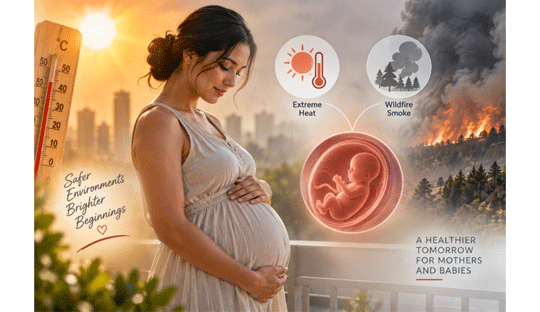
Extreme heat and wildfire smoke are increasingly recognized as environmental threats to maternal and fetal health. A new University of Maryland-led NIH-funded study will examine how exposure to these hazards together may influence pregnancy outcomes. Researchers will analyze data from approximately 6.5 million births over two decades, assessing exposure to extreme heat, wildfire smoke particles (PM2.5), and other pollutants in relation to hypertensive disorders of pregnancy (HDP) and gestational diabetes mellitus (GDM). HDP and GDM affect approximately 10% and 8% of pregnancies in the United States, respectively.
Pregnancy may increase vulnerability to environmental stress because the cardiovascular and respiratory systems face greater physiological demands, while the body's ability to regulate heat may also be altered. Previous studies have independently associated extreme heat and air pollution with preterm birth, low birthweight, impaired fetal growth, pregnancy complications, and cardiovascular stress. However, the combined effects of heat and wildfire smoke remain poorly understood. The research will investigate which pollutant combinations and periods during pregnancy carry the greatest risk and how these risks vary geographically. The findings could contribute to improved clinical guidance, early-warning systems, and targeted protection for pregnant women, particularly those living in under-resourced communities.
For enquiries info@jothydev.net.
Please visit: jothydev.net | research.jothydev.com | diabscreenkerala.net | jothydev.com/newsletter