|
|

|
|

|
|



10. JDC Updates
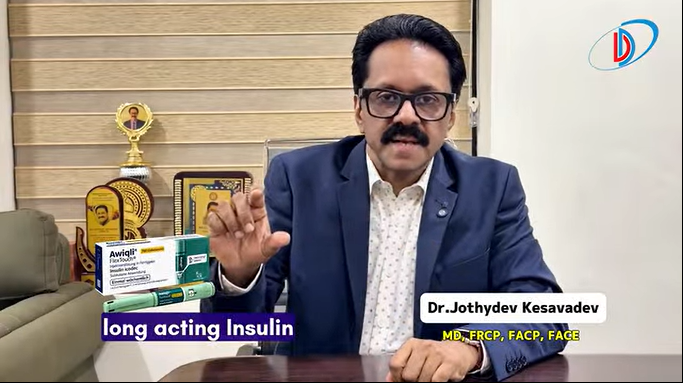
Awiqli®: Addressing Key Questions on Once-Weekly Insulin
Dr. Jothydev Kesavadev addressed common queries related to Awiqli® (insulin icodec), the once-weekly basal insulin, explaining its concept, dosing approach, and potential role in diabetes management. The video offered clear, practical information to improve understanding of this new option in basal insulin therapy.

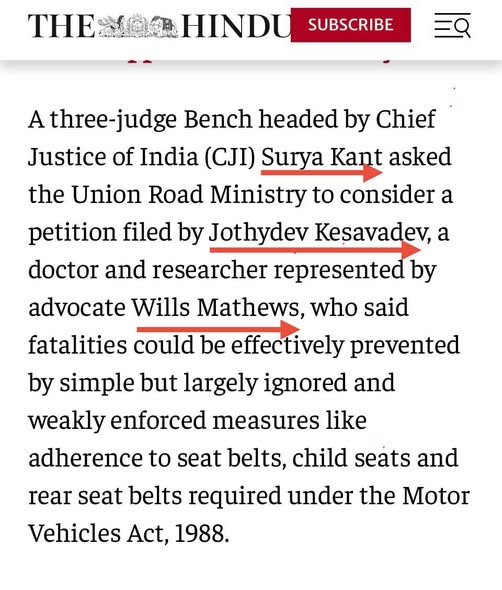
Seat-Belt Safety: Dr. Jothydev Kesavadev’s PIL Draws Attention to Rear-Seat Compliance
Dr. Jothydev Kesavadev highlighted the critical importance of seat-belt compliance following recent observations by the Hon’ble Supreme Court of India on road safety. The issue had formed the basis of a Public Interest Litigation filed by him, drawing attention to the poor accessibility and use of rear-seat seat belts, particularly in taxis and cabs where additional seat covers may obstruct the buckle or socket. The petition, represented by Adv. Wills Mathews, sought effective enforcement of existing safety provisions under the Motor Vehicles Act and Central Motor Vehicles Rules. The Supreme Court emphasized that seat belts are life-saving devices rather than a formality and directed the concerned authorities to examine measures for stronger implementation and enforcement.
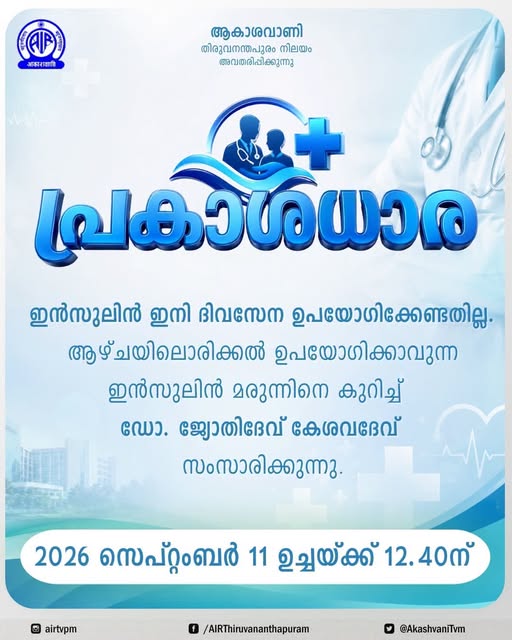
Dr. Jothydev Kesavadev Featured on Akashavani’s “Prakashadhara”
Dr. Jothydev Kesavadev was featured on Akashavani Thiruvananthapuram’s “Prakashadhara,” where he discussed once-weekly insulin therapy, highlighting key aspects of this advancement in basal insulin treatment and its relevance to contemporary diabetes care.
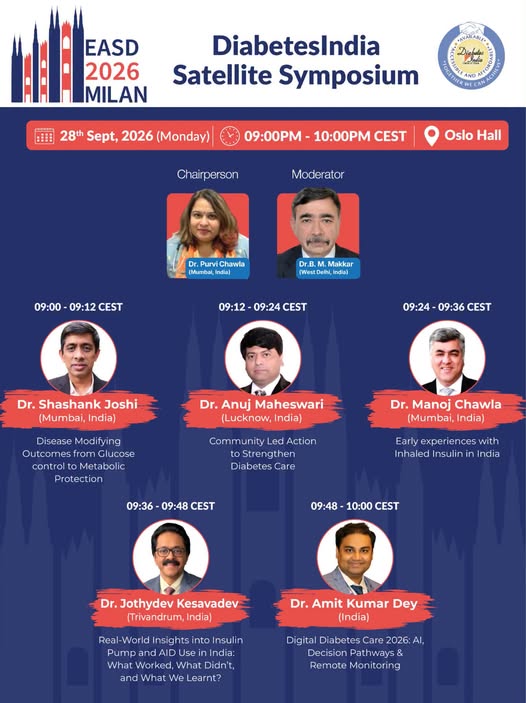
Advancing Diabetes Technology: India’s AID Experience at EASD 2026
Dr. Jothydev Kesavadev delivered a lecture at the DiabetesIndia Satellite Symposium during EASD 2026 in Milan on “Real-World Insights into Insulin Pump and AID Use in India: What Worked, What Didn’t, and What We Learnt?”. Drawing on more than two decades of clinical experience, he highlighted the practical lessons from using insulin pumps, CGM, and Automated Insulin Delivery (AID) in India. He emphasized that successful use of diabetes technology depends not only on access to devices, but also on trained healthcare professionals, structured patient education, multidisciplinary support, and continuous follow-up.
For enquiries info@jothydev.net.
Please visit: jothydev.net | research.jothydev.com | diabscreenkerala.net | jothydev.com/newsletter