
|

|

|
|

|
|



4. A “Smart” Probiotic That Releases GLP-1 When Blood Glucose Rises
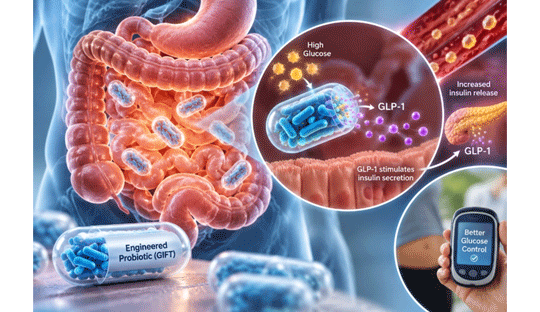
Researchers have developed an engineered probiotic, called GIFT (Glucose-responsive Insulin-Fostering Therapy), designed to make the gut respond to rising blood glucose. The system uses E. coli Nissle 1917, a bacterium that has been genetically modified with a glucose-sensing circuit. When glucose levels increase, glucose is converted into KDPG, which interacts with the regulatory protein HexR and switches on the production of GLP-1. The released GLP-1 can stimulate the body's own insulin secretion, creating a glucose-responsive mechanism rather than providing GLP-1 continuously. To help the bacteria remain active in the intestine for longer, the researchers also developed an encapsulation system using tannic acid and poloxamer 188, extending their functional lifespan in mice from approximately 8 to 36 hours.
In diabetic mice maintained on high-sugar diets, daily oral administration of GIFT improved fasting blood glucose, glucose tolerance, insulin sensitivity, and HbA1c. Longer treatment was also associated with reductions in body fat, triglycerides, cholesterol, fatty liver changes, kidney damage, and colon inflammation. In diabetic monkeys, dosing every three days for five weeks produced increases in GLP-1 and insulin and reductions in blood glucose after a single dose, with effects lasting for up to three days. In a separate preclinical comparison, mice receiving GIFT maintained or slightly increased muscle mass, whereas semaglutide-treated mice showed lean-mass loss. However, these findings are limited to animal studies, and the comparison does not establish that GIFT is superior to existing GLP-1 therapies. Further research, including human clinical trials, is needed to determine its safety, effectiveness, durability, and potential role in diabetes treatment.
For enquiries info@jothydev.net.
Please visit: jothydev.net | research.jothydev.com | diabscreenkerala.net | jothydev.com/newsletter