
|

|

|
|

|
|



4. Aging with Diabetes: What Do Older Adults Expect from Their Golden Years?
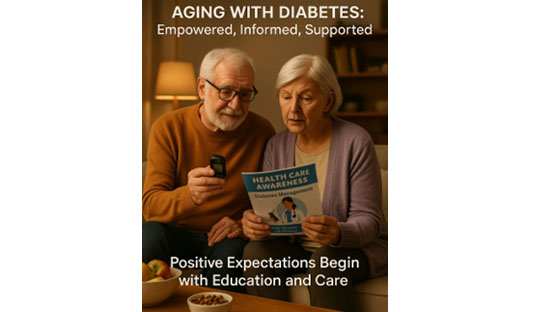
Why This Study Matters
Living with type 2 diabetes mellitus (T2DM) in older age isn’t just about managing sugar levels—it’s about living well. But what does "living well" mean to older people with diabetes? What do they hope for, and what holds them back?
This pioneering study explores something rarely asked in diabetes research: what are the expectations of aging in older adults with T2DM—and what shapes those expectations?
Study Snapshot
- Design: Cross-sectional survey
- Location: China
- Participants: 289 older adults (aged ≥60) with type 2 diabetes
- Tool used: Expectations Regarding Aging (ERA-12) scale
- Goal: To measure how positively or negatively older adults view aging, and identify key factors influencing their outlook
Key Results: Aging Expectations Are Shaped Beyond Glucose
- The average ERA score was 39.72 ± 9.53, indicating low-to-moderate expectations about healthy aging.
- Positive ERA was strongly linked with:
- Higher social support (r = 0.625, p < 0.01)
- Better diabetes self-efficacy (r = 0.514, p < 0.01)
- Negative ERA correlated significantly with:
- Depressive symptoms (r = –0.549, p < 0.01)
What Influences ERA Most?
The study identified seven major factors that together explained 59.2% of the variance in aging expectations:
- Age
- Monthly family income
- Type of diabetes medication used
- Number of sources for diabetes-related information
- Depression status
- Level of social support
- Self-efficacy in managing diabetes
Patients with more health knowledge, stronger support networks, and greater confidence in managing their condition were more likely to expect a healthy and fulfilling aging
Interpretation
- Most participants had low to moderate expectations regarding aging. That means many did not believe aging could be healthy, independent, or fulfilling—especially while managing a chronic illness like diabetes.
- Education, income, and physical activity levels were strongly linked to positive aging expectations.
- Those with higher diabetes self-management scores (i.e., better control and more confidence in managing their disease) had significantly more positive views of aging.
- Depression and poor social support were associated with negative expectations, regardless of blood sugar control.
What Does This Mean?
This study shows that aging perceptions are shaped not just by medical parameters (like HbA1c), but by psychosocial, economic, and behavioral factors.
Experts believe that in the future, these printed cells might be implanted into patients to naturally regulate blood sugar—a dream come true for those who have long hoped for a more permanent solution.
Older adults who:
- Exercise regularly
- Stay socially connected
- Manage their diabetes confidently
- Have access to education and resources
...are more likely to see aging as a chapter of growth, not decline.
Meanwhile, those facing poverty, isolation, or mental health struggles may resign themselves to poor outcomes—even if their diabetes is under control.
Clinical Implications
This study reinforces the importance of addressing psychosocial and behavioral aspects of care in older adults with T2DM:
- Diabetes care should extend beyond HbA1c, emphasizing mental well-being, self-belief, and quality of life.
- Routine depression screening should be integrated into diabetes follow-ups in older populations.
- Boosting self-efficacy through patient education, group sessions, and shared decision-making can improve both mental outlook and disease control.
- Encouraging positive aging beliefs may influence patients’ motivation, treatment adherence, and long-term outcomes.
GEMS Takeaway
How older adults think about aging shapes how they live it—especially with chronic diseases like diabetes. This study shows that optimism, confidence, and social connection are just as vital as medication when it comes to promoting healthy aging.
In practice, this means clinicians must go beyond glucose levels—offering older adults not only treatment, but also hope, empowerment, and a sense of possibility for their future.
For enquiries info@jothydev.net.
Please visit: jothydev.net | research.jothydev.com | diabscreenkerala.net | jothydev.com/newsletter