
|

|

|
|

|
|



6. A Pro-Inflammatory Diet in Pregnancy May Program Autoimmunity in the Womb
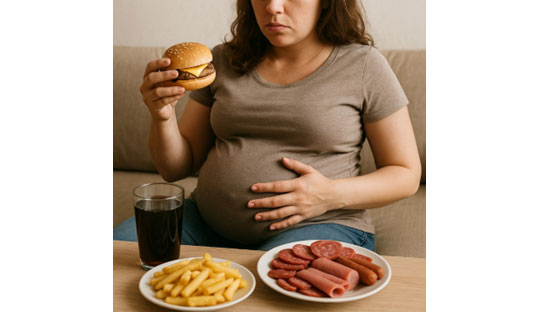
New Evidence Links Maternal Diet to Offspring Risk of Type 1 Diabetes
The Maternal Diet–Immunity Connection
Type 1 diabetes (T1D) is an autoimmune disease with roots that may trace back to fetal life. A growing body of evidence now supports the hypothesis that a mother’s inflammatory state during pregnancy, driven in part by diet, may shape her child’s future immune health.
A recent longitudinal study from the Danish National Birth Cohort (DNBC) adds powerful evidence to this theory, revealing that a pro-inflammatory maternal diet is associated with an increased risk of T1D in offspring. These findings support earlier work from Sweden, strengthening the link between prenatal nutrition, inflammation, and immune programming.
Study Overview
Danish Cohort Findings
- Sample size: 67,701 mother–child pairs
- Diet measured by: Empirical Dietary Inflammatory Index (EDII) using a 360-item food frequency questionnaire at ~25 weeks’ gestation
- Primary outcome: Offspring diagnosis of T1D via national diabetes registry
- Results: For every one-unit increase in maternal EDII score, the risk of T1D in offspring increased by 16% (95% CI: 2–32%), even after adjusting for confounders.
Swedish Cohort Findings (Previously published):
- Mothers in the highest tertile of dietary inflammation had up to a 90% increased risk of T1D in their children
- Assessed using a related dietary inflammation score (EDIP), based on inflammation-associated biomarkers such as IL-6, CRP, and TNF-α
What Is a Pro-Inflammatory Diet?
Diets with high inflammatory potential typically include:
- Red and processed meats
- Refined carbohydrates and white bread
- Sugar-sweetened beverages
- Low intake of vegetables, legumes, fruits, fish, and whole grains
Such diets elevate systemic inflammatory markers, which may influence fetal immune system development and tolerance, potentially predisposing the child to autoimmune beta-cell destruction.
Biological Hypothesis: Inflammation in the Womb
Maternal dietary patterns during pregnancy may alter:
- Cytokine levels (e.g., IL-6, CRP), creating an inflammatory intrauterine environment
- Development of the fetal immune system, particularly regulatory T cells and pancreatic islet maturation
- Epigenetic programming, influencing long-term autoimmunity susceptibility
These changes may tip the balance toward loss of immune tolerance—a hallmark of type 1 diabetes.
Clinical and Public Health Implications
This research reinforces the need to prioritize anti-inflammatory nutrition during pregnancy—not only for maternal well-being but for the future immune health of the child.
Recommendations:
- Emphasize Mediterranean-style eating patterns
- Encourage foods rich in omega-3 fatty acids, fiber, antioxidants, and polyphenols
- Limit ultra-processed and sugary foods, red meats, and trans fats
- Integrate prenatal nutrition counseling into routine antenatal care
GEMS Takeaway
This study offers compelling epidemiological evidence that maternal diet is a modifiable risk factor for type 1 diabetes in children. As part of the growing field of Developmental Origins of Health and Disease (DOHaD), these findings highlight how what a mother eats may program immune function across generations.
The future of type 1 diabetes prevention may begin not just with genetic screening-but with a healthier plate during pregnancy.
For enquiries info@jothydev.net.
Please visit: jothydev.net | research.jothydev.com | diabscreenkerala.net | jothydev.com/newsletter