|

|
|
|

|
|



4. Could Obesity Drugs Help Reduce Addiction? Large Study Suggests Promise
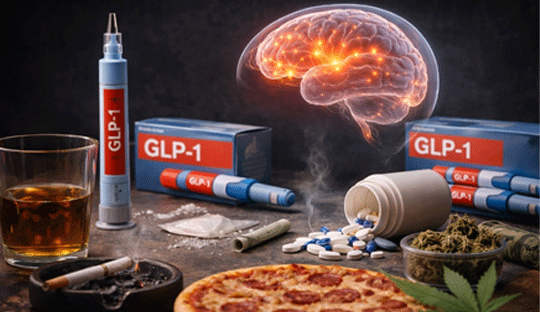
A large observational study involving more than 600,000 U.S. military veterans has revealed a surprising potential benefit of widely used GLP-1 receptor agonist medications, commonly prescribed for obesity and type 2 diabetes. Researchers found that individuals taking GLP-1 drugs were less likely to develop substance-use disorders involving alcohol, cannabis, cocaine, nicotine, and opioids. Among those already living with addiction, the medications were also associated with a 50% lower risk of death related to substance abuse, highlighting a possible new therapeutic role beyond metabolic disease.
The study analysed electronic health records from the U.S. Department of Veterans Affairs and compared people with type 2 diabetes taking GLP-1 medications with those prescribed another diabetes drug class, SGLT-2 inhibitors, over a follow-up period of up to three years. Findings showed a consistent reduction in the risk of developing substance-use disorders among GLP-1 users, 18% lower for alcohol, 14% for cannabis, 20% for cocaine and nicotine, and 25% for opioids. Scientists believe these drugs may influence reward pathways in the brain that regulate cravings and addictive behaviours.
Although the results are encouraging and align with clinical observations where patients report reduced interest in smoking or drinking while on GLP-1 therapy, experts caution that large randomized clinical trials are still needed to confirm whether these medications can be formally used in addiction treatment. If validated, these findings could open new avenues for managing substance-use disorders while simultaneously addressing obesity and diabetes.
For enquiries info@jothydev.net.
Please visit: jothydev.net | research.jothydev.com | diabscreenkerala.net | jothydev.com/newsletter