
|

|

|
|

|
|



5. Glycemic Variability May Influence Mood and Quality of Life in Type 2 Diabetes
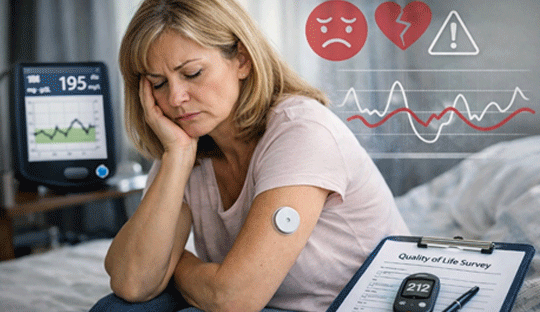
Emerging research suggests that fluctuations in blood glucose levels may affect more than metabolic health, they may also influence emotional wellbeing and quality of life. In a small exploratory study, women with type 2 diabetes were monitored using continuous glucose monitoring (CGM) for 72 hours while also completing validated questionnaires assessing mood, including depression, anxiety, and anger, as well as overall quality of life. The findings showed that participants with co-existing depression experienced higher anxiety, greater anger, and significantly poorer quality of life compared with those without depression.
Importantly, several measures of glycemic variability, including the 24-hour standard deviation of glucose readings and the Continuous Overall Net Glycemic Action (CONGA), were significantly associated with health-related quality of life even after adjusting for age and weight. Advanced statistical modelling further suggested that rapid glucose fluctuations were linked to higher levels of depression and anxiety. Individuals with higher trait anxiety also tended to experience steeper glucose excursions. These findings highlight the potential psychological impact of glucose variability and underscore the importance of stable glycaemic control not only for preventing complications but also for supporting emotional wellbeing and overall quality of life in people with diabetes.
For enquiries info@jothydev.net.
Please visit: jothydev.net | research.jothydev.com | diabscreenkerala.net | jothydev.com/newsletter