
|

|

|
|

|
|



6. Light-Activated Microneedle Patch Shows Promise for Healing Chronic Diabetic Wounds
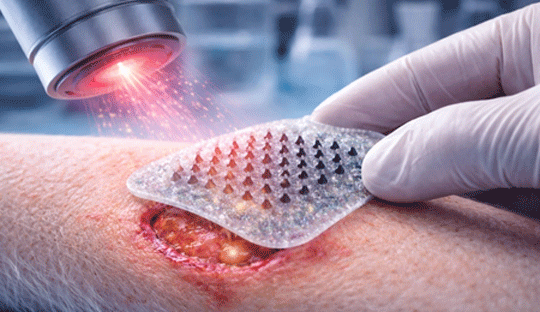
Chronic wounds remain one of the most challenging complications of diabetes, often resulting from persistent inflammation and impaired formation of new blood vessels. Researchers from Nanjing Drum Tower Hospital, Southeast University, and Wenzhou Medical University have developed an innovative microneedle patch designed to accelerate wound healing by combining advanced biomaterials with targeted molecular therapy. The patch uses MXene hydrogel microneedles that deliver nitric oxide (NO) and hypoxia-inducible factor-1α (HIF-1α) plasmid nanoparticles directly into the skin. When exposed to near-infrared light, the patch releases these therapeutic agents in a controlled manner, helping reduce inflammation while stimulating blood vessel formation and tissue regeneration.
Laboratory and animal studies showed promising results. The released nitric oxide significantly reduced inflammatory markers such as IL-6 and TNF-α, while the HIF-1α plasmid promoted angiogenesis by increasing vascular endothelial growth factor (VEGF) levels. In diabetic mouse models, wounds treated with the microneedle patch demonstrated rapid healing with up to 98% wound closure within 10 days, along with improved collagen deposition, enhanced re-epithelialization, and healthier granulation tissue formation. These findings highlight the potential of light-responsive microneedle technology as a novel strategy for treating difficult-to-heal diabetic wounds and improving outcomes in chronic wound care.
For enquiries info@jothydev.net.
Please visit: jothydev.net | research.jothydev.com | diabscreenkerala.net | jothydev.com/newsletter