
|

|

|
|

|
|



2. Targeting Inflammation to Tackle Type 2 Diabetes: A New Era in Cardiovascular-Kidney-Metabolic (CKM) Care
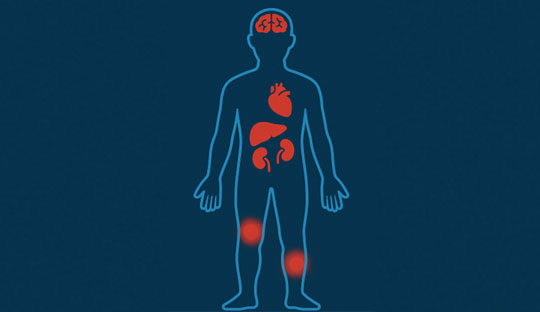
Type 2 diabetes (T2D) affects much more than just blood sugar-it’s a driver of a broader Cardiovascular-Kidney-Metabolic (CKM) syndrome, where chronic low-grade inflammation plays a central and dangerous role. Despite modern therapies that control glucose, cholesterol, and blood pressure, a substantial residual risk remains. Why? Because inflammation quietly persists in the background, fueling damage to the heart, kidneys, and blood vessels.
This comprehensive review highlights how inflammation drives five major outcomes in people with T2D:
- Coronary heart disease (CHD)
- Heart failure (HF)
- Stroke
- Diabetic kidney disease (DKD)
- Peripheral artery disease (PAD)
Key biomarkers-like IL-6, TNFα, and hsCRP-help signal this inflammatory burden. Encouragingly, several therapies already in use for diabetes or cardiovascular protection are now recognized for their anti-inflammatory benefits too:
- Statins reduce inflammatory cytokines and stabilize atherosclerotic plaques
- SGLT2 inhibitors and GLP-1 receptor agonists lower systemic inflammation and improve vascular function
- Emerging agents like colchicine, canakinumab, ziltivekimab, and finerenone target specific inflammatory pathways such as IL-1β, IL-6, and the NLRP3 inflammasome
Therapies like tirzepatide and baricitinib are also showing early promise by reducing inflammation and slowing damage in the kidneys and heart.
Beyond medications, the article emphasizes non-pharmacological strategies like the Mediterranean diet, exercise, weight management, and mindfulness, all of which contribute to reducing inflammatory markers and improving outcomes.
What’s next? Biomarker-driven, personalized care. Trials like ZEUS, ARTEMIS, and HERMES are already underway, aiming to pinpoint who benefits most from targeted inflammation therapies.
As we better understand how inflammation underpins CKM syndrome, the message is clear: managing type 2 diabetes isn’t just about glucose anymore—it’s about taming inflammation to protect the whole body.
For enquiries info@jothydev.net.
Please visit: jothydev.net | research.jothydev.com | diabscreenkerala.net | jothydev.com/newsletter